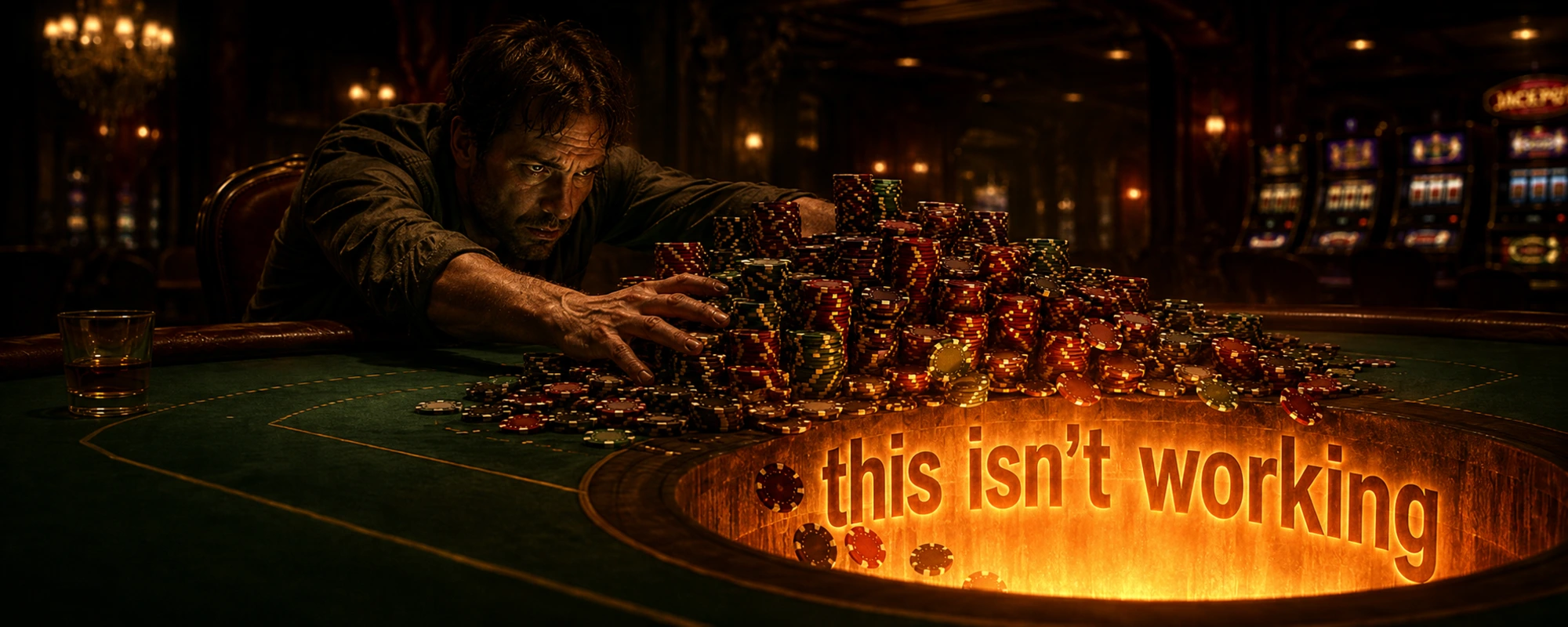
The Psychology of Sunk Cost: Why We Throw Good Money After Bad
You are full but you finish the meal because you paid for it; you are an hour into a terrible film but you stay because you bought the ticket; a project is clearly failing but the company keeps pouring money in because it has already spent so much. These feel like different situations and they are the same one in different clothes — the sunk cost fallacy, which may be the most expensive thinking error there is because it scales from a dinner plate to billion-dollar projects and decade-long wars. Stated precisely, a rational decision should weigh only future costs and benefits: what you have already spent in money, time or effort is gone either way, and continuing cannot recover it. But that is not how it feels. The more you have invested, the harder it becomes to walk away even when walking away is clearly the better choice from here, and the past spend that should be irrelevant hijacks the decision. Economists put it bluntly — sunk costs are sunk, and only what happens next matters. Three forces lock the trap. Loss aversion makes quitting feel real and final, so as long as we keep going we can tell ourselves it might still work out. Commitment and consistency mean stopping requires admitting we were wrong to start, so continuing protects our self-image while it drains the wallet. And identity supplies the line about not being a quitter, a virtue in some places and a wealth-destroying bug here. Together they produce escalation of commitment: the deeper you are in, the more you double down, precisely when you should be cutting losses — though the research on escalation is more measured than the folklore, treating sunk cost as one strong driver among several rather than the whole story. It is worse with other people watching, because quitting then means admitting failure in public: the executive who championed the doomed project cannot kill it without losing face, the team keeps marching because reversing course indicts everyone who backed it, and the longer a group has publicly committed the harder it escalates to avoid the humiliation of stopping. One question cuts through: knowing everything I know now, if I were starting fresh today, would I begin this? If the answer is no, the only thing keeping you in is the sunk cost, the money is gone whether you stop or not, and the only real choice left is whether to keep spending more. Naming the feeling does not make it vanish, but asking the question out loud, especially as a team, gives everyone permission to stop and put the next dollar somewhere it can actually win.
The Psychology of Sunk Cost: Why We Throw Good Money After Bad
The half-eaten meal, the failing project, the relationship that ended years ago. Same trap, every time.
You're full, but you finish the meal because you paid for it.
You're an hour into a terrible movie, but you stay — you already bought the ticket.
A project is clearly failing, but the company keeps pouring money in, because it's already spent so much.
These feel like different situations. They're the same one in different clothes. It's the sunk cost fallacy — one of the best-documented cognitive biases, and it might be the most expensive thinking error there is, because it scales from a dinner plate all the way to billion-dollar projects and decade-long wars.
(We saw its organizational version in the Kodak story — here's the personal machinery underneath it.)
The error, precisely
A rational decision should weigh only future costs and benefits. What you've already spent — money, time, effort — is gone either way. Continuing can't recover it.
But that's not how it feels. The more you've invested, the harder it becomes to walk away — even when walking away is clearly the better choice from here. The past spend, which should be irrelevant, hijacks the decision.
Economists have a blunt rule for it: sunk costs are sunk. The only thing that matters is what happens next.
Why it grips us so hard
Three forces lock the trap:
- ✕Loss aversion. Quitting makes the loss feel real and final. As long as we keep going, we can tell ourselves it might still work out — so we throw good money after bad to avoid the pain of admitting the bad money is gone.
- ✕Commitment and consistency. Stopping means admitting we were wrong to start. Continuing protects our self-image, even as it drains our wallet.
- ✕Identity. "I'm not a quitter" — a virtue in some places, a wealth-destroying bug here.
Together they produce escalation of commitment: the deeper you're in, the more you double down — precisely when you should be cutting losses.
Worth saying plainly: the research on escalation is more measured than the folklore. Sunk cost is one strong driver among several — not the single explanation for every doomed project — and the longer treatment linked above lays out what the evidence actually supports.
It's even worse with other people watching
Sunk cost is bad alone. In groups, it's lethal — because now quitting means admitting failure in public.
The executive who championed the doomed project can't kill it without losing face. The team keeps marching because reversing course indicts everyone who backed it. The longer a group has publicly committed, the harder it escalates to avoid the humiliation of stopping — which is how organizations pour years and fortunes into things everyone privately knows are dead.
The bigger the audience, the stronger the trap. It's also why a written decision record helps more than it looks like it should: when the original reasoning is on the page, revisiting it is a review of an argument rather than an indictment of a person.
The one question that breaks it
There's a clean mental move that cuts straight through:
"Knowing everything I know now, if I were starting fresh today — would I begin this?"
If the answer is no, then the only thing keeping you in is the sunk cost. The money's gone whether you stop or not. The only real choice left is whether to keep spending more.
It isn't easy — the feeling doesn't vanish just because you've named it. But asking the question out loud, especially as a team, gives everyone permission to do the brave, profitable thing: stop, and put the next dollar somewhere it can actually win.
What's the meal you're still eating just because you paid for it — a project, a commitment, a path you'd never choose again from scratch?
Reply and name it. Saying it out loud is usually the first honest step toward putting the fork down.
Judge the argument, not the investment
Argumentree keeps the case for and against a commitment visible over time — so revisiting a decision means re-reading the reasoning, not defending the spend.
Start Free 14-Day Trial →Related Reading
The Cognitive Bias That Destroyed Kodak
The organizational version of this trap, at full scale.
Escalation of Commitment
What the research actually shows about doubling down — including where sunk cost is weaker than the folklore claims.
What Is Cognitive Bias?
The wider family of systematic errors sunk cost belongs to.
Why Smart People Make Dumb Decisions
Why intelligence is no defence against a bias you can't see from the inside.